I start with people, workflows, constraints, and the decision behind the brief. The goal is to separate the loud symptom from the evidence that can actually guide the product.
Stakeholder conversations
User research
Workflow mapping
02
FRAME THE PROBLEM
Make the real decision visible.
I turn the evidence into a focused problem statement, define the people and moments that matter, and name the trade-offs early enough to act on them.
Opportunity framing
Success signals
Risk and constraint mapping
03
SHAPE THE SYSTEM
Turn one answer into a repeatable language.
Flows, information architecture, tokens, components, and content rules make the decision reusable across screens and teams.
Journey architecture
Design systems
Content hierarchy
04
PROTOTYPE THE EXPERIENCE
Let the idea answer back.
I use interaction, motion, AI, and front-end thinking to make the proposal behave. A working prototype exposes weak assumptions faster than another round of explanation.
Interactive prototypes
Motion studies
Technical feasibility
05
PROVE THE DECISION
Test the behavior, not the presentation.
I validate whether people can complete the task, understand the state, recover from friction, and trust what the product is telling them.
Usability testing
Accessibility review
Design QA
06
SHIP THE PROOF
Carry the intent into delivery.
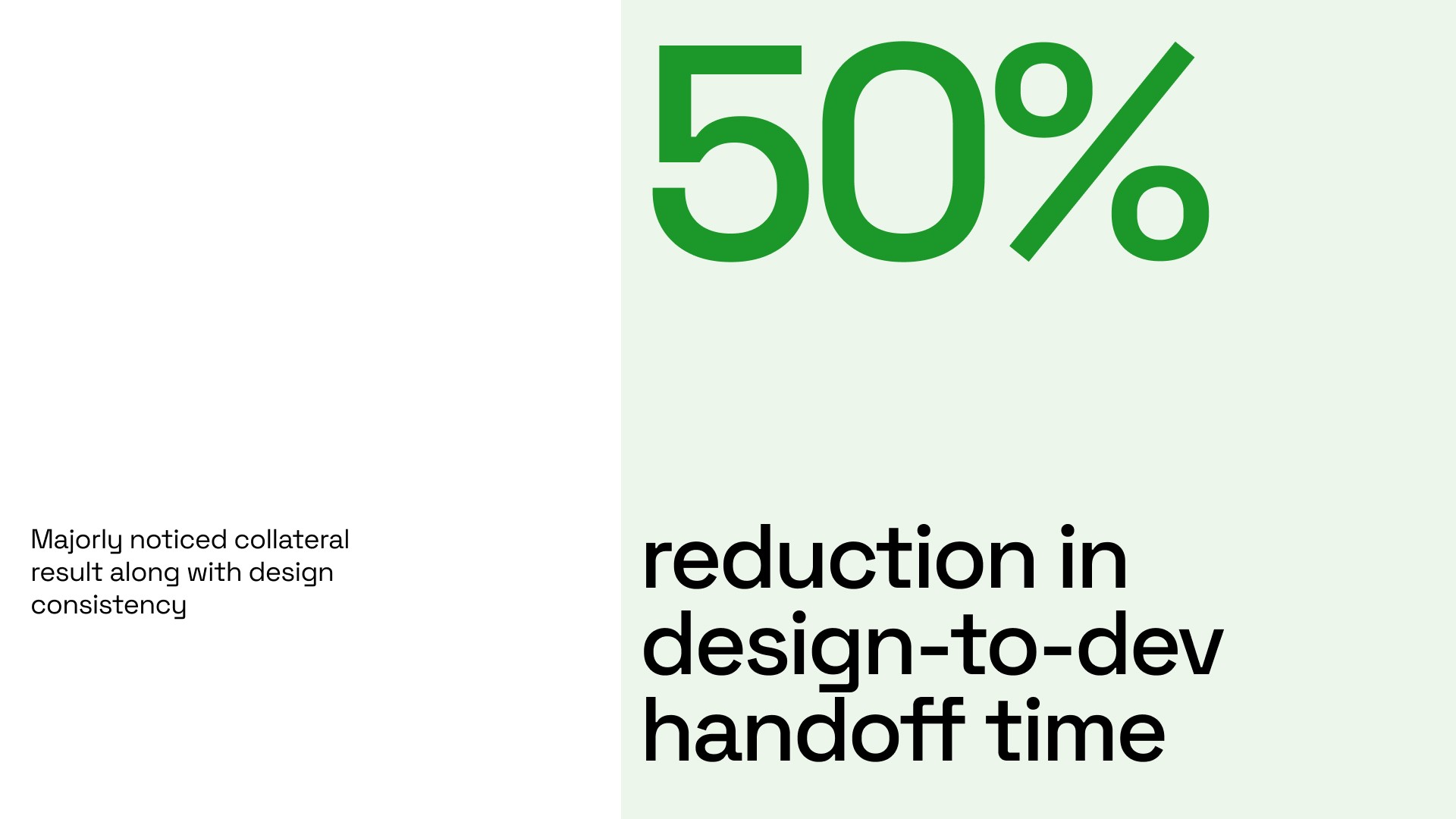
Clear specifications, shared language, realistic states, and implementation review help the product survive the distance between design and release.
Developer collaboration
Handoff systems
Post-release learning
WORKING PRINCIPLES
Clear enough to act on. Flexible enough to learn from.